Bringing Wave Energy Research to Beaver Island
Published:
One of the most rewarding aspects of research is seeing ideas move beyond the laboratory and into the communities they are intended to serve. Recently, I had the opportunity to join our MarineLab team at the University of Michigan on Beaver Island, where we demonstrated prototype wave energy converters that transform the motion of Lake Michigan waves into electricity.
Although the prototypes are small, the long-term vision is much larger: developing reliable and sustainable wave energy technologies that can complement existing power systems and improve energy resilience for remote communities.
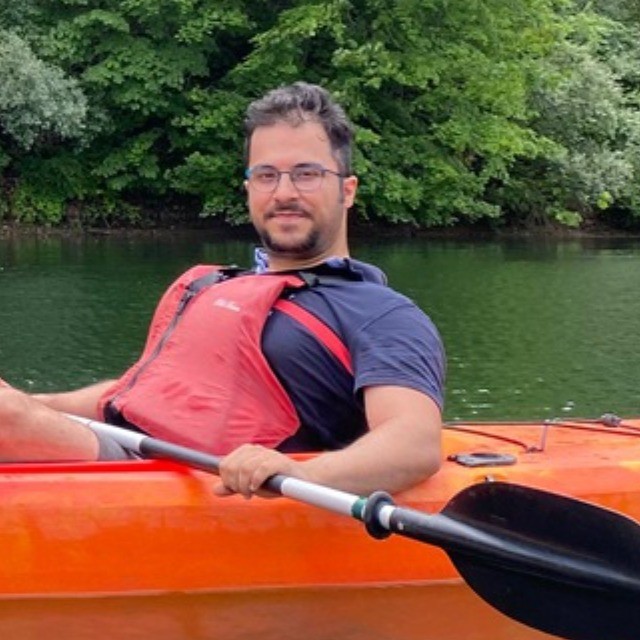
Prototype wave energy converter demonstrated on Beaver Island, generating electricity directly from Lake Michigan waves.
What stood out to me most during this project was the opportunity to engage directly with the Beaver Island community. Residents asked thoughtful questions—not only about how the technology works, but also about how it could benefit their community, support critical infrastructure, and coexist with everyday activities such as fishing and boating. Those conversations reminded me that meaningful engineering is not only about developing new technology, but also about understanding the people who may one day use it.
I was also grateful for the opportunity to discuss our research through interviews with local and national media, helping introduce wave energy and its potential for the Great Lakes to a broader audience.
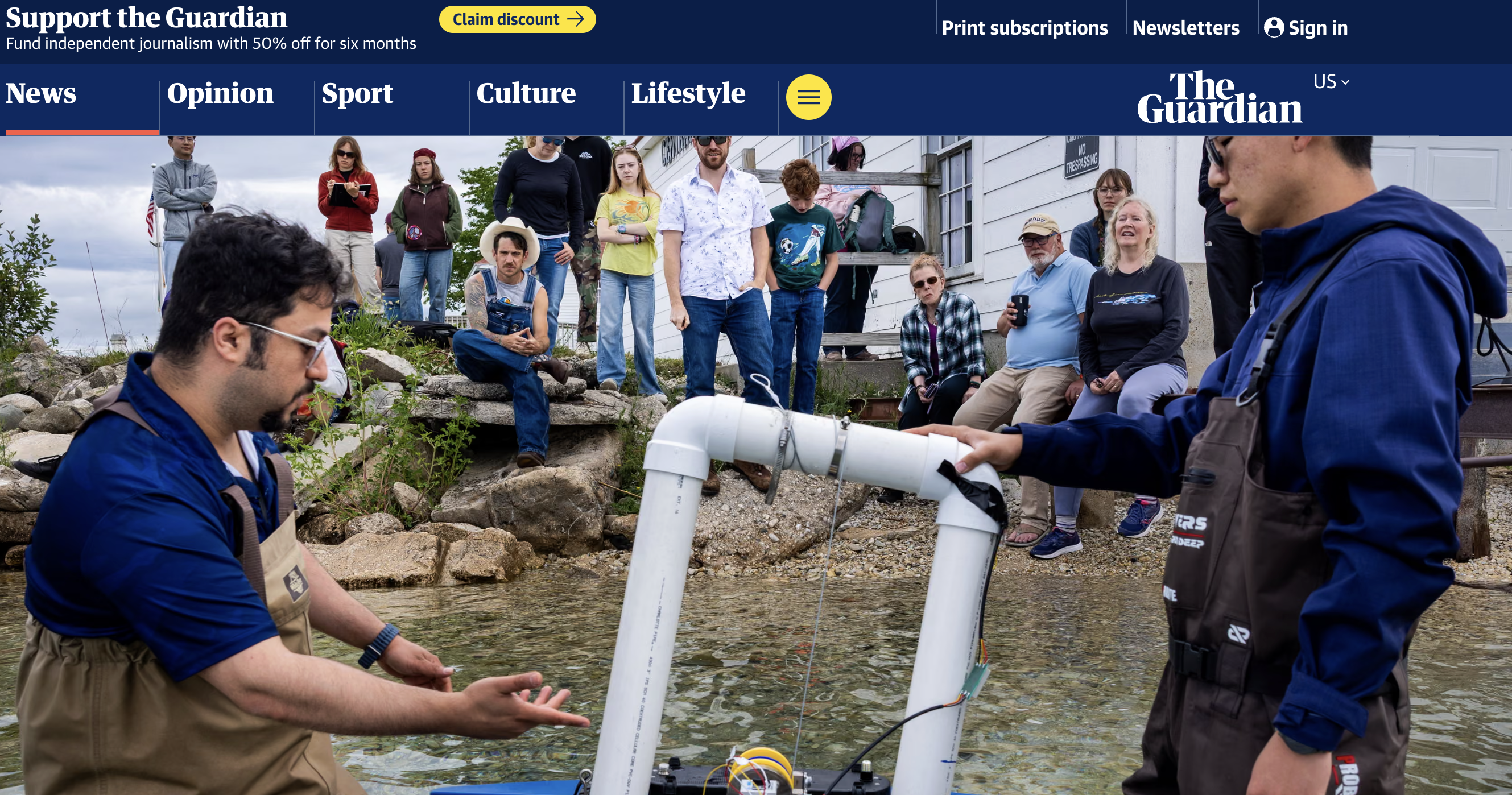
Saeid Bayat (left) and Hanzhi Mou prepare to demonstrate prototype wave energy converters on Beaver Island. Photograph: Marcin Szczepanski/University of Michigan Engineering. Featured by The Guardian.
- The Guardian – Experimental Bathtub: The Remote Lake Island Trying Wave Power to Boost Energy Security
- UpNorthLive – Could Lake Michigan Waves Help Power Beaver Island?
- Grist – This Island in the Great Lakes Wants to Tap Waves for Energy
- Bridge Michigan – Michigan Island Needs Reliable Power. Can Great Lakes Waves Provide It?
Many thanks to Prof. Lei Zuo, the MarineLab research team, the Beaver Island community, and everyone who contributed to this project. I look forward to continuing this work and exploring how wave energy can become part of a cleaner, more resilient energy future.