Chapter 18: Cross-Domain CCD Applications
Common principles across different engineering systems
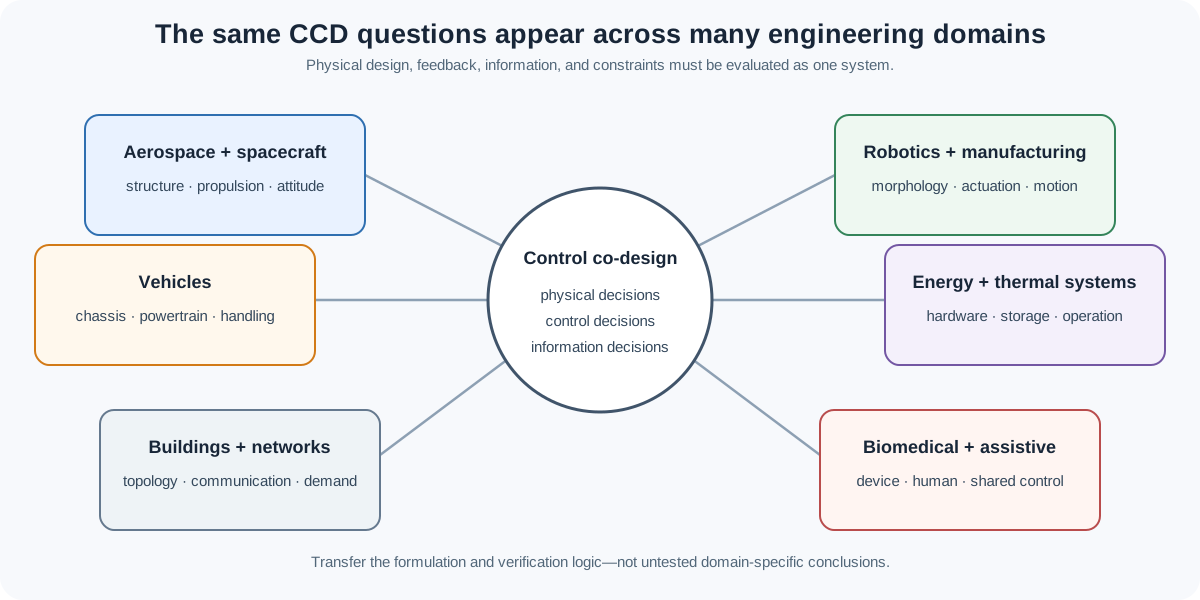
Different fields use different names, but share physical dynamics, authority, information, active constraints, architecture, multiple timescales, and implementation limits.
Learning objectives
After completing this chapter, you should be able to:
explain and apply structures and vehicles;
explain and apply robot morphology;
explain and apply energy and thermal systems;
explain and apply networks and buildings;
formulate and verify the chapter methods on mini-cases in aircraft, spacecraft, robots, precision stages, vehicles, microgrids, and assistive devices.
Mathematical lens
The recurring quantities are domain plant, sensors, actuators, control architecture, disturbances, and value metrics:
Running example
The recurring example is mini-cases in aircraft, spacecraft, robots, precision stages, vehicles, microgrids, and assistive devices. Retaining one system prevents apparent improvements from being caused by changed physics, information, loads, or metrics.
Recommended workflow
identify shared pattern.
map variables.
locate coupling.
choose CCD method.
transfer validated insight.
Chapter map
Aerospace Structures and Flight Control
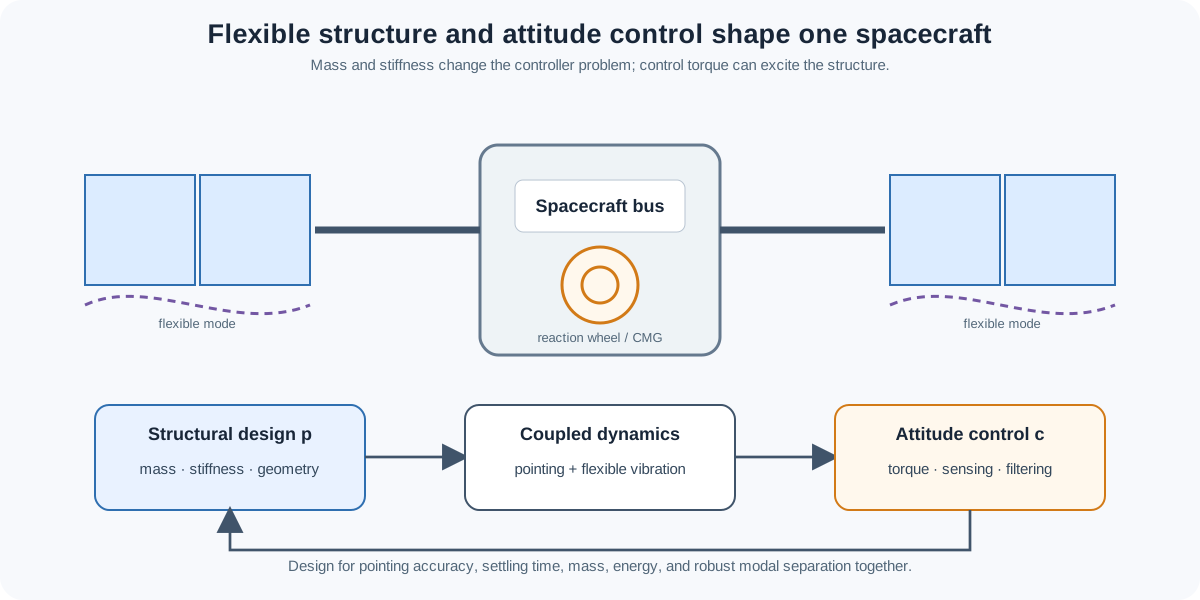
Spacecraft Structures and Attitude Control
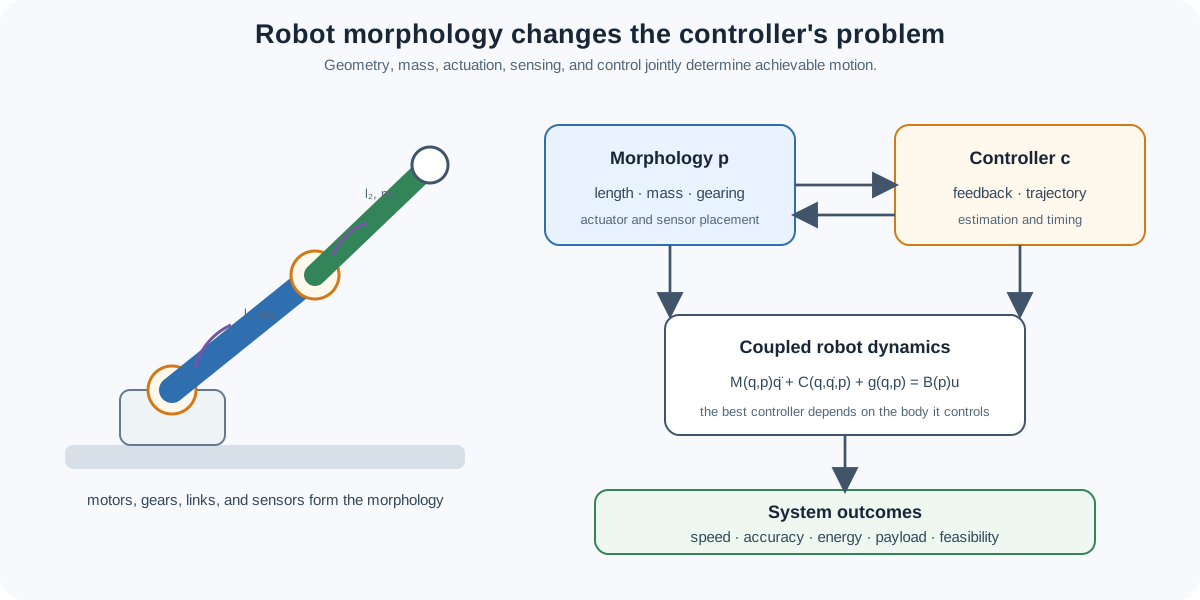
Robotics Morphology and Controller Co-Design
Precision-Motion and Manufacturing Systems
Electric and Hybrid Vehicles
Thermal-Management Systems
Buildings and Microgrids
Networked and Distributed Control Systems
Biomedical and Assistive Systems
Lessons That Transfer Across Domains